

Copier Leasing in Center City, Philadelphia

February 24, 2026
 0 views
 0 comments
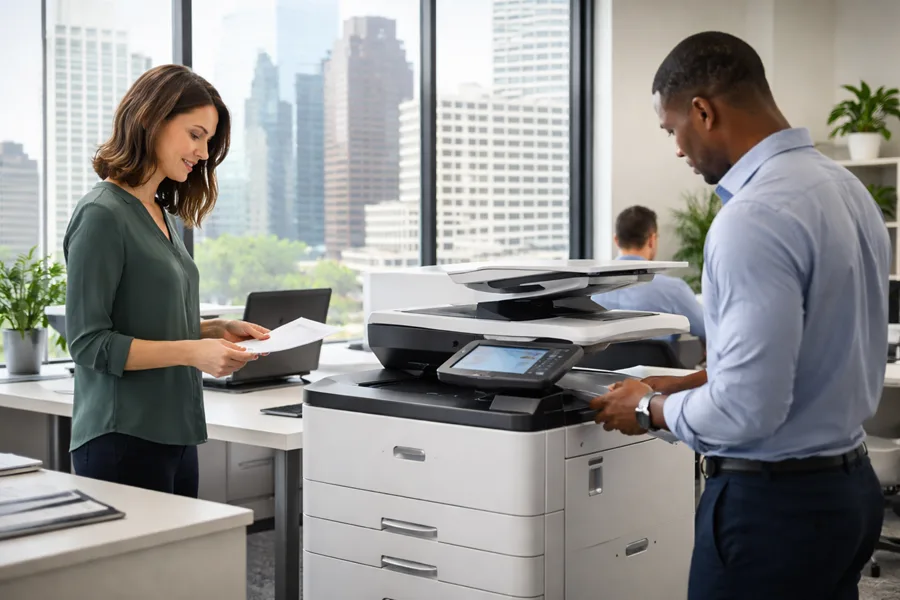
Leasing copiers and multifunction printers (MFPs) lets Center City businesses avoid large equipment purchases while keeping print workflows predictable and easy to manage. This guide shows how leasing cuts upfront costs, keeps your fleet current, and moves maintenance and supply management to your provider so internal teams can stay focused on their work. You’ll find a clear comparison of leasing vs. buying, the lease and rental options available downtown, step‑by‑step guidance for working with a local provider, neighborhood‑specific device recommendations, and the pricing factors to expect in Philadelphia. Practical checklists, concise tables that summarize cost bands and lease types, and short action items make it simple to compare options and request quotes when you’re ready.
Why lease a copier in Center City?
Leasing gives downtown teams stable monthly costs, access to modern MFP features, and bundled service that minimizes downtime by moving repairs and supply management to the vendor. Turning a capital purchase into an operating expense simplifies budgeting and typically includes updates, firmware patches, and consumable replenishment. Working with a local leasing partner also means faster onsite response times and service levels tuned to dense urban logistics and security needs—helping maintain uptime and predictable print spend across your office.
Leasing delivers five clear advantages for Center City offices:
- Predictable monthly costs and reduced upfront capital outlay for equipment and refresh cycles.
- Access to current technology supporting cloud workflows, scan‑to‑email, and secure printing.
- Bundled maintenance and supplies that cut downtime and simplify vendor relationships.
- Scalable capacity so devices match staff and workload changes without wasted assets.
- Lower environmental impact from energy‑efficient devices and centralized recycling programs.
Those benefits add up to less time fighting equipment issues, smoother workflows, and clearer monthly budgeting. The table below shows how leasing typically translates into measurable operational outcomes for different office sizes in Center City.
How leasing benefits map to measurable outcomes.
This comparison makes it easier to weigh leasing versus buying. Below, we break down how leasing saves money compared with a direct purchase and what maintenance is typically included in downtown leases.
How leasing can cost less than buying
Leasing lowers immediate capital needs and often bundles service, which reduces the total cost of ownership over a device’s useful life. Rather than a large up‑front purchase and unpredictable repair bills, a lease spreads equipment costs into a steady monthly payment and commonly includes parts, labor, and some consumables. That frees working capital for higher‑value projects and avoids internal repair time. In a fast‑changing downtown market—where space and staff levels shift—leasing makes it easier to scale without tying up cash.
Leases also remove disposal and resale headaches. End‑of‑term options like upgrades or returns help businesses avoid obsolescence. When comparing offers, look closely at what the monthly payment covers so you can see the true savings.
What technology and maintenance are usually included
Most leases include scheduled maintenance, remote diagnostics, firmware and software updates, and consumables programs to keep machines secure and reliable. Providers offer SLAs that specify response times, escalation steps, and parts replacement to protect uptime. Software services may include basic scan‑to‑cloud connectors, secure print release, and user training to speed onboarding and reduce help‑desk calls. For Center City customers, remote monitoring and proactive supply replenishment are especially useful because they limit disruptive onsite visits and keep busy offices running.
Be sure to confirm which items are covered—toner, drums, emergency service calls, or software licenses—so you don’t encounter surprise charges. Agreeing upgrade paths and SLA details at signing ensures the technology continues to meet evolving needs without unexpected capital requests.
After outlining these practical inclusions, local providers can show how they deliver service across Center City neighborhoods and help you pick the lease type that fits your operation.
For downtown businesses exploring local partners, Associated Imaging Solutions (AIS) is an example of a provider offering copier and printer leasing, short‑term copier rentals, and managed print services tuned to Center City logistics. AIS focuses on local knowledge, flexible lease terms, and modern hardware to reduce downtime and control print spend. A short needs assessment from a nearby provider will clarify included services, SLA commitments, and upgrade options for your office.
Which copier leasing options are available in Center City?
Center City firms can choose short‑term rentals, flexible operational leases, or multi‑year capital leases depending on events, growth plans, and budget goals. These options differ in commitment level, upgrade flexibility, and whether maintenance and supplies are bundled. Devices range from compact MFPs for small teams to high‑volume production machines for in‑house printing. Matching workflow needs and the physical constraints of downtown buildings helps narrow choices before you compare specific lease terms.
Here’s a quick comparison of common lease categories to help you decide.
Use this table to align procurement with your operational goals. Next, we cover device categories and how short‑term and flexible terms work in practice.
What types of MFPs and copiers are available to lease?
Leasable devices include compact office MFPs for small teams, mid‑volume color copiers for marketing and client materials, and high‑volume production machines for transactional or heavy internal printing. Small MFPs cover basic copying, duplex printing, and moderate scanning. Mid‑volume color models add speed, enhanced color, and finishing options like stapling and booklet making. Production devices provide continuous output, advanced finishing, and heavy duty cycles for law firms, publishers, or in‑house marketing shops. Local providers typically offer recognized brands that balance features and support.
Choose a device by matching monthly page volumes, required features (ADF, duplex, secure print), and integrations such as scan‑to‑cloud or document management. Providers will recommend models that fit your cost, space, and performance needs for a downtown office.
How do flexible leases and short‑term rentals work?
Flexible leases and rentals are built to meet temporary or changing needs while still including professional delivery and installation. Short‑term rentals suit conferences, pop‑ups, or seasonal workloads and normally include delivery, setup, and removal. Flexible operational leases let you swap or upgrade equipment during the term so you can adopt newer tech without a large sunk cost. Contracts spell out responsibilities for installation, network setup, and consumables so there are no surprises at installation or when the lease ends.
Providers coordinate with building teams on elevator access, loading docks, and installation windows to limit disruption. Confirming these details up front helps ensure on‑time delivery and reliable performance.
For locally available product categories, Associated Imaging Solutions offers copier leases, short‑term rentals, multifunction printers, managed print services, and repairs as flexible options that match the use cases above.
How the copier leasing process works with Associated Imaging Solutions in Center City

Working with a local provider usually follows a clear sequence: consultation, equipment selection and proposal, delivery and installation, then ongoing support—optionally integrated with managed print services. The process starts with a needs assessment that documents monthly volumes, required features, and site constraints so the provider can propose the right device and service package. After terms are agreed, scheduling accounts for downtown access and installation logistics, followed by user training and a first‑run test to validate workflows. Ongoing support comes through SLAs, remote monitoring, and consumables management to keep devices running through the lease term.
Clear expectations around escalation, spare parts, and reporting during procurement set the stage for reliable uptime and cost control. Adding MPS gives consolidated reporting, usage trends, and recommendations to optimize device placement and configuration across locations.
Steps from consultation to installation
The usual timeline begins with an onsite or remote consultation to quantify print volumes, security needs, and integration points. The provider then delivers a tailored proposal detailing equipment, term, and included services. Once accepted, delivery and professional installation are scheduled with building logistics in mind. Installation includes network integration, security configuration, user training, and a first‑run validation. After that, the provider moves into remote monitoring and routine maintenance under the agreed SLA to maintain continuity.
This stepwise approach minimizes surprises, verifies IT compatibility, and equips staff to use device features that boost productivity. It also positions your lease to integrate with MPS reporting if you choose centralized print management.
Ongoing support and maintenance
Support usually includes remote monitoring to flag faults, scheduled preventative maintenance, consumables replenishment, and SLA‑defined response windows for onsite service. Remote diagnostics help technicians arrive with the right parts, reducing mean time to repair and improving uptime. Automated consumables programs trigger toner deliveries based on usage so you avoid interruptions. For deeper cost control, managed print services consolidate meter reads, usage reports, and optimization recommendations under one contract.
Confirm SLA response targets, escalation paths, and replacement procedures during contracting so service meets your tolerance for downtime. Regular technology reviews keep leased devices aligned with changing workflow requirements.
Which Center City neighborhoods benefit from tailored copier leasing?
Neighborhood‑aware leasing recognizes that Rittenhouse Square offices, University City satellite sites, and Old City galleries have different printing needs driven by client expectations, event schedules, and building constraints. Tailoring devices by neighborhood helps optimize space, cost, and output quality while improving service logistics in dense urban blocks. For example, professional services in Rittenhouse Square often prioritize color accuracy and discreet maintenance; University City and Old City may favor flexible rentals and mid‑volume leases to support semester schedules, startups, and events. Knowing these patterns lets providers place the right mix of devices and service levels across Center City.
Local vendors also manage delivery windows, elevator access, and permitting considerations to speed installations and reduce delays. That neighborhood knowledge informs device choices and SLA design for better outcomes.
Copier leasing services for Rittenhouse Square
Rittenhouse Square offices frequently need high‑quality color output for client presentations, secure printing for professional services, and discreet, reliable onsite support that minimizes disruption. Leasing small‑to‑mid‑volume color MFPs with finishing options meets marketing and client‑facing needs while fitting boutique office footprints. Providers serving this area emphasize quick service response times and scheduled maintenance visits designed to minimize noise and downtime during business hours. The blend of premium output and local support helps firms protect brand presentation and confidentiality.
Choosing devices with strong security, cloud integration, and optional managed print reporting helps monitor spend and ensure consistent client deliverables.
Copier rental and leasing for University City and Old City
University City and Old City host academic departments, startups, galleries, and event spaces that rely on short‑term rentals and flexible leases to match changing needs. Short‑term rentals support semester peaks, conferences, and pop‑ups with delivery, setup, and pickup on a schedule—avoiding long commitments. Mid‑volume flexible leases suit fast‑growing startups, offering upgrade paths as teams expand. Providers also factor in older building access limits and coordinate with site managers to schedule installations without disrupting classes or events.
This neighborhood focus reduces administrative effort for institutions and creatives while matching equipment to the logistical realities of older downtown buildings.
- Small professional offices: compact color MFPs for presentations and secure workflows.
- Startups and co‑working spaces: flexible mid‑volume leases with upgrade options.
- Event venues and galleries: short‑term rentals with delivery, setup, and removal.
- Academic departments: seasonal rentals or semester leases with managed supply replenishment.
These targeted recommendations help teams choose equipment that balances cost, space, and output quality for each Center City neighborhood. Next, we explain pricing drivers and provide example cost bands to help you budget.
How much does copier leasing cost in Center City?
Lease pricing depends on monthly print volume, color vs. black‑and‑white mix, device features (finishing, speed, scanning), lease term, and the level of included service and consumables. Providers typically split the monthly charge into equipment amortization and service/consumable allowances; adding advanced software integrations or faster SLAs raises the monthly rate. Location factors—delivery complexity, building access, and demand for quick onsite support—can also affect cost. Knowing these drivers helps you request comparable quotes.
Before requesting pricing, assemble estimated monthly page counts, expected color percentage, required finishing options, and a preferred lease term. The table below shows example monthly ranges for common device classes to guide initial budgeting.
Use these ranges as starting points—final pricing depends on your volume, features, and service expectations. Below we break down the main pricing factors and how to prepare to request a quote.
What drives copier lease pricing?
Major pricing drivers are monthly volume, color usage percentage, hardware features (speed, finishing), lease term length, and SLA levels that define response times and included parts. Higher volumes and color output increase consumable costs; finishing options and faster throughput raise equipment amortization. Shorter or more flexible terms often carry a premium versus long capital leases, and tighter SLAs with faster onsite response typically increase monthly fees. Software integrations like secure print, ECM connectors, or advanced reporting also add to the monthly total.
To control costs, choose the right device class, negotiate consolidated service bundles, and use managed print services to track usage and recommend device consolidation or placement changes.
How to get a customized quote for copier leasing
Prepare a short packet: estimated monthly page counts (color and B/W), desired features (finishing, secure print, scan‑to‑cloud), preferred lease term, and any site constraints such as building access or multiple locations. Recent meter reads or average monthly prints from current devices help providers size a solution accurately. After you submit that info, expect a validation call or onsite assessment to confirm volumes and logistics, followed by a formal proposal that outlines equipment, service inclusions, and pricing options. Local providers typically turn around assessments and installations faster within Center City because of their proximity and neighborhood experience.
If you want a quote that accounts for Center City delivery logistics and service expectations, request an assessment from a local provider who can evaluate site constraints and SLA preferences during the proposal stage.
For a tailored Center City quote, Associated Imaging Solutions offers customized assessments that factor in neighborhood delivery logistics, device mix, and managed print options to deliver clear monthly pricing and service details.
Why work with Associated Imaging Solutions for Center City copier leasing?
Associated Imaging Solutions (AIS) is a local partner that combines flexible leasing, short‑term rentals, managed print services, and repair support across Philadelphia and the Delaware Valley. AIS highlights neighborhood knowledge and quick onsite response in Center City areas like Rittenhouse Square, University City, and Old City—making deliveries, installations, and service visits easier to schedule. AIS pairs trusted hardware with service agreements designed to minimize downtime, centralize consumables, and support eco‑friendly options to reduce energy use and e‑waste.
Choosing a nearby provider can shorten service windows, simplify logistics, and enable deeper collaboration on print cost optimization through managed print services. Contact AIS for an assessment and a tailored proposal that aligns device selection, SLA expectations, and your budget for your Center City location.
What sets AIS’s service and technology apart?
AIS combines local expertise, flexible lease structures, and a full suite of services—copier and printer leasing, short‑term rentals, managed print services, and repairs—to deliver dependable uptime and predictable monthly costs. Their mix of onsite support, remote monitoring, and configurable SLAs addresses the quick turnaround needs of downtown businesses. AIS coordinates installation windows, user training, and emergency support to minimize disruption in busy office environments, letting clients outsource device lifecycle management to a single, trusted partner.
When evaluating providers, confirm service commitments, escalation procedures, and reporting capabilities so promised response times and support levels meet your operational needs.
Which copier brands does AIS offer for lease?
AIS works with well‑known brands that balance reliability and enterprise features—commonly Sharp and Ricoh. Sharp models are often chosen for consistent color and user friendliness, while Ricoh is favored for scalability and advanced workflow integrations in complex document environments. Providers map brand strengths to organizational priorities—Sharp for high‑quality color and usability, Ricoh for enterprise integrations and scalability—to deliver long‑term value through dependable hardware and support.
Ask for brand‑specific recommendations during the assessment to ensure the selected device family meets your performance and integration needs.
This guide covers copier leasing for Center City—from benefits and device types to process steps, neighborhood recommendations, and pricing guidance—so you can make an informed choice about leasing versus buying and partner with a local vendor for responsive service and smarter print management.
Frequently Asked Questions
What is the typical duration of copier leases in Center City?
Lease durations vary: short‑term rentals can run from a few days to several months; flexible operational leases commonly last 12–36 months; and capital leases often span 36–60+ months. Pick a term based on your project length, growth plans, and operational stability. Knowing your expected print volume and future needs helps you choose the right lease length.
Leases usually provide predictable monthly payments, but watch for potential extra charges: excess pages above agreed limits, consumables not covered by the contract, or early termination fees. Review the lease and SLAs carefully to understand what’s included versus billed separately. Clear communication with your provider reduces the chance of surprises.
How can businesses choose the right copier?
Assess monthly print volumes, desired features (scanning, finishing), integration needs (cloud connectivity, ECM), and physical space constraints. A needs assessment with a leasing provider will identify the right device class. Factor in expected growth so the chosen copier meets both current and near‑term needs.
What are the environmental benefits of leasing copiers?
Leasing often places newer, energy‑efficient models in your office that use less power and produce less waste. Many leases include equipment recycling or take‑back programs that reduce e‑waste. Built‑in duplexing and power‑saving modes further lower resource use. Leasing also removes disposal responsibilities from your team.
How does copier leasing affect cash flow?
Leasing turns a large capital expense into manageable operating payments, preserving working capital for other priorities. Predictable monthly fees and bundled maintenance reduce unexpected costs, helping stabilize cash flow over the lease term.
What should businesses negotiate in lease terms?
Negotiate length of term, monthly payments, included services (maintenance and consumables), excess‑page fees, upgrade options, and end‑of‑term conditions. Clarify SLAs, response times, and escalation paths. Open discussions with the provider let you shape an agreement that fits your operations and budget.
Related Posts
— Managed Print Services in Delaware Valley

— Managed Print Services for Philadelphia Businesses