

Hard Paper Made Easy: How to Choose the Right Stock for Your Printing Needs

December 11, 2025
 0 views
 0 comments
AI Overview:
This blog breaks down what “hard paper” means—thicker, heavier paper like cardstock and cover stock—and explains how weight, thickness, and finish affect print quality and durability. It guides readers on choosing the right hard paper for different projects, matching paper to their printer, and avoiding issues like jams or smudging. It also highlights common types, specialty options, eco-friendly choices, and the best uses for each.
What is Hard Paper for Your Printer?
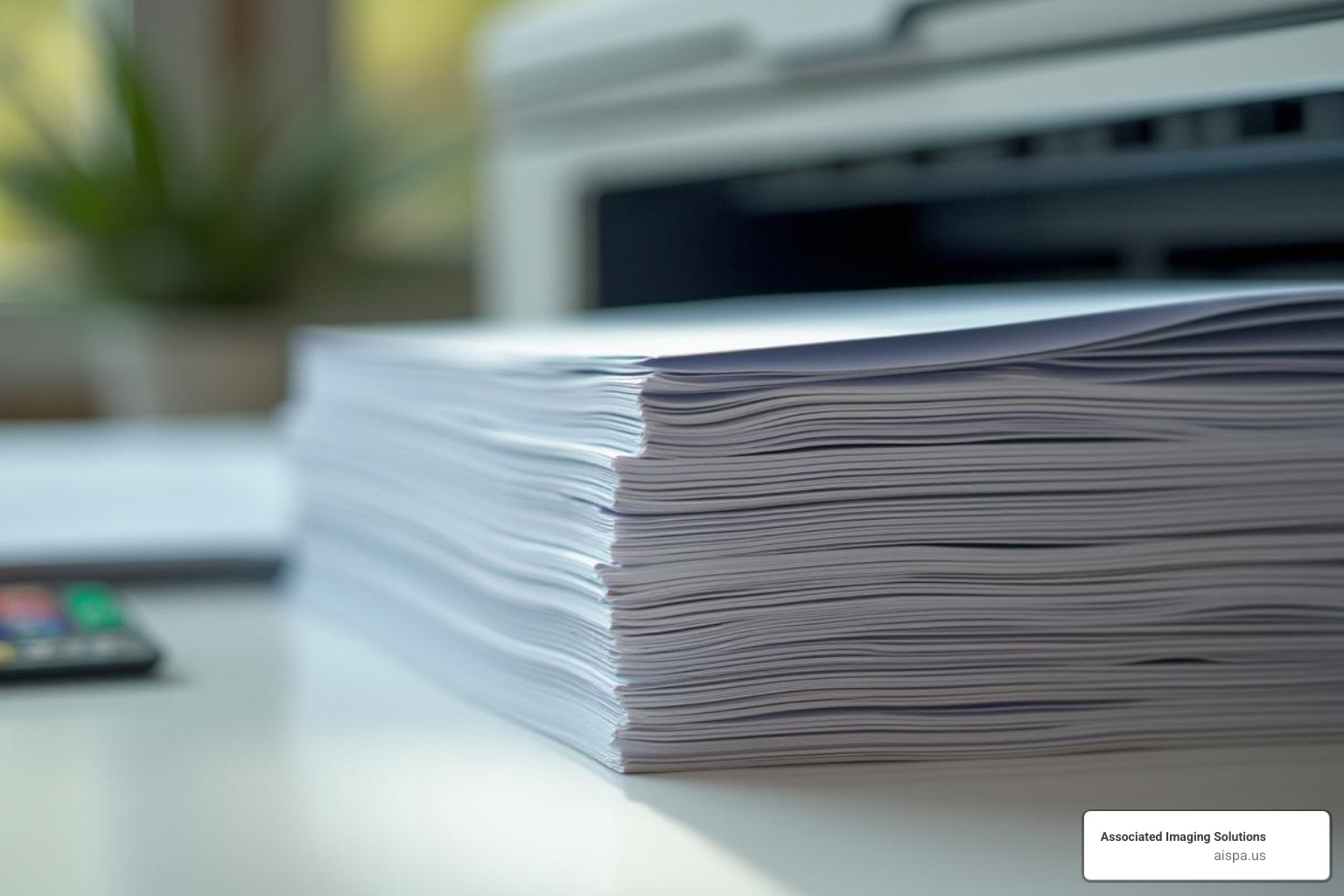
Choosing the right paper for your printing projects can feel complex, but understanding hard paper for printer use is simpler than you might think. It’s about matching the paper to your project’s needs.
Here’s a quick look at what “hard paper” means for printing:
- Definition: “Hard paper” refers to any paper stock that is noticeably thicker and heavier than standard copy paper.
- Purpose: It’s chosen for durability, a professional feel, and its ability to make printed materials stand out.
- Common Types: This includes various forms of cardstock, cover paper, and other specialty stocks.
- Key Factors: When choosing, you’ll consider its weight (measured in GSM or pounds), thickness (caliper), and surface finish.
The paper you pick is the foundation of your print job, affecting its final look, feel, durability, and ink reception.
This guide will help you understand hard paper and pick the perfect stock for any project, ensuring your prints are impactful and professional.
Understanding “Hard Paper”: Key Characteristics to Consider
When discussing hard paper for printer use, we’re moving beyond standard copy paper. The “hardness” refers to a mix of characteristics defining how printed materials look, feel, and perform. Understanding these traits helps you select the right foundation for your creative ideas. To get started, let’s explore how to choose the right printer paper types for your needs.
Paper Weight (GSM vs. lb)
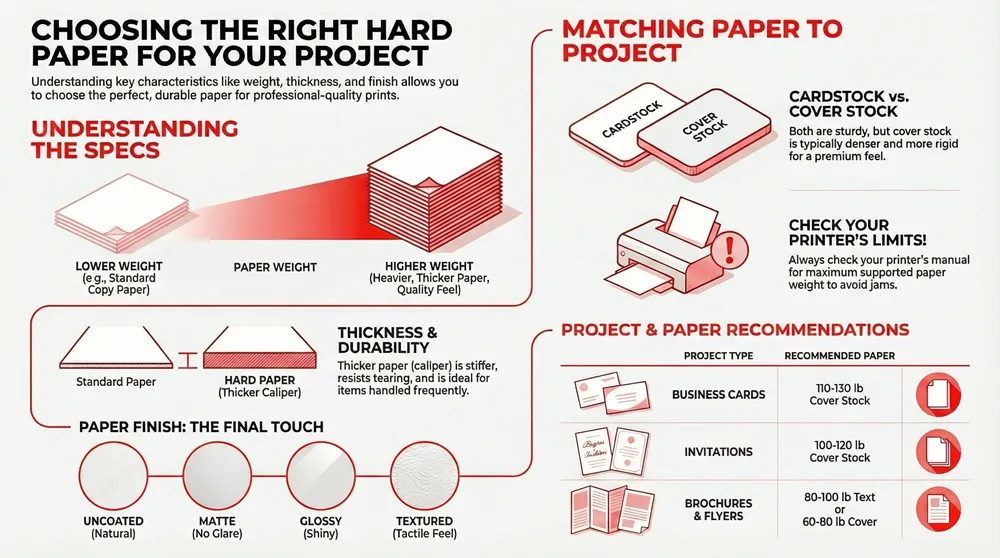
Paper weight is a key indicator of its density, thickness, quality, and purpose.
- Grams per Square Meter (GSM): This is the global standard for paper weight, representing the weight of one square meter of paper. A higher GSM number means heavier, thicker paper. Everyday copy paper is about 80 GSM, while sturdy cardstock can be 200-300 GSM or more. High-quality papers, like Clairefontaine DCP, offer a wide range from 80 to 400 g/m².
- Pounds (lb): In North America, paper weight is often measured in pounds (lb), based on the paper’s “basis weight”—the weight of 500 sheets in its original, uncut size. Because different paper types (bond, text, cover) have different original sizes, a 20 lb bond paper is much thinner than a 20 lb cover stock. For hard paper for printer projects, you’ll see weights like 65 lb, 80 lb, or 100 lb for cover stock. Lighter options include 28 lb or 32 lb text paper, like the popular HP Premium28 Printer Paper.
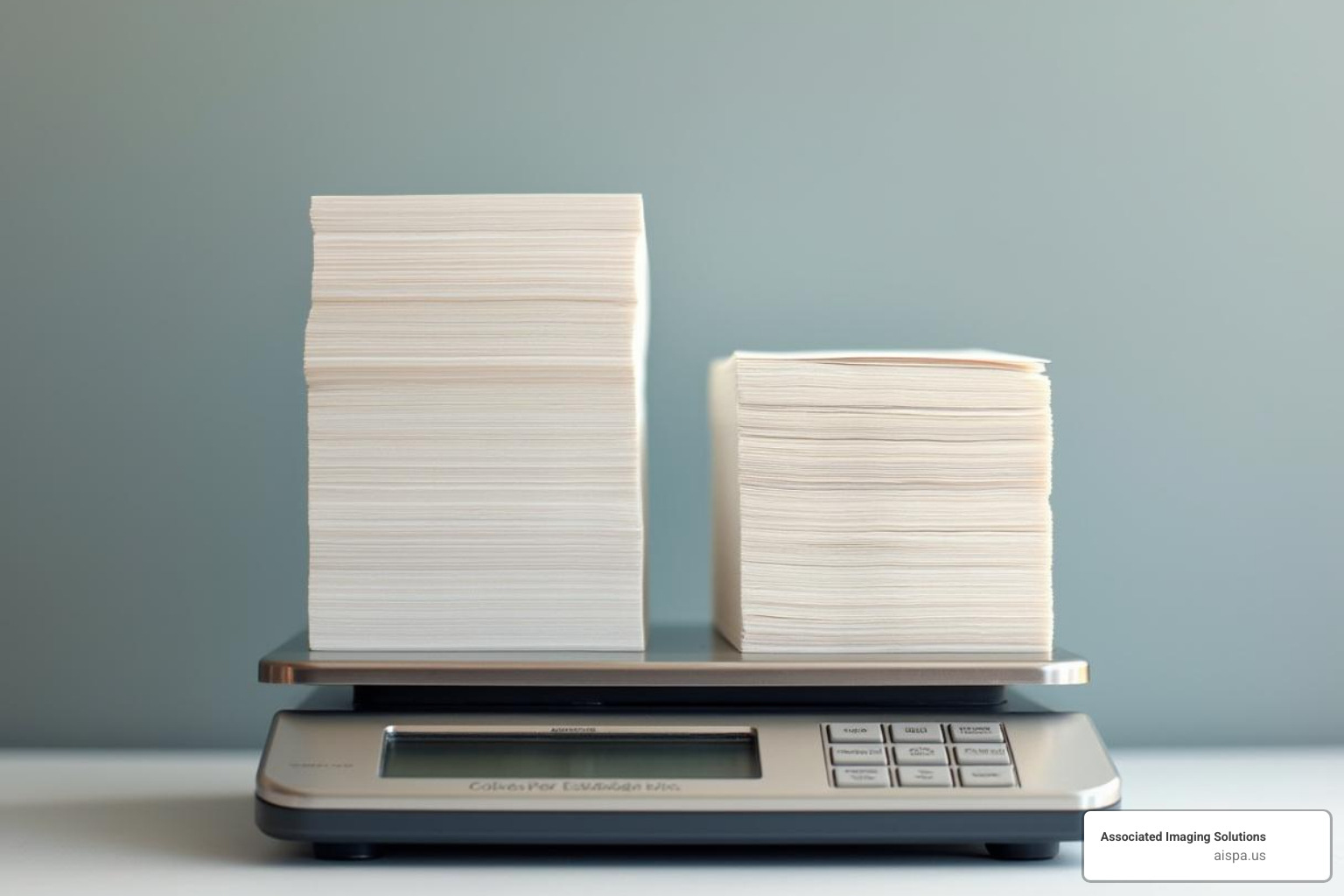
Understanding the difference between “text weight” and “cover weight” papers is crucial. Text weight papers are lighter and more flexible, ideal for the inside pages of a report or booklet. Cover weight papers, like a 65 lb or 100 lb cover stock, are much stiffer and ideal for business cards, invitations, or book covers because they hold their shape. For a deeper dive, see our Best Cardstock Printing by Weight Guide.
Paper Thickness and Durability
Paper thickness, or “caliper,” is also crucial. It’s measured in “points” (pt), where 1 pt equals 0.001 inches. A 10 pt paper is 0.010 inches thick.
- Stiffness: Thicker papers are stiffer, ideal for items that need to stand on their own like business cards or postcards, giving them a premium feel.
- Durability: Thicker, denser paper is more durable, resisting tears and creases. This is vital for frequently handled items like menus or reference documents.
- Longevity & Archival Quality: High-quality hard paper for printer use improves longevity. Some papers, like Clairefontaine DCP, meet archival standards (ISO 9706), ensuring documents like certificates or photos can last for over a century. For more details on paper sizes, check out our Paper Size Reference.
Paper Finish and Coating
Paper finish refers to its surface texture and appearance, dramatically affecting the final print’s look, feel, and ink/toner adhesion.
- Uncoated Paper: This paper has a natural, slightly rough feel with no extra coating. It’s ideal for writable surfaces like letterheads. Ink soaks in more, resulting in softer colors.
- Coated Paper: This paper has a surface layer (often clay-based) that controls ink absorption, significantly impacting print quality. Popular styles include:
- Matte Finish: A smooth, non-shiny surface that reduces glare and is easy to read.
- Glossy Finish: A highly reflective, shiny surface that makes colors pop and images look sharp.
- Satin Finish (or Silk): A middle ground with a subtle sheen, offering good color reproduction.
- Texture: Some papers feature embossed textures like a “linen” finish that mimics fabric or a “felt” finish that feels soft. These add a tactile, premium feel to your printed piece.
The finish you pick directly impacts ink absorption and vibrancy. Coated papers generally produce brighter colors and sharper images because ink sits on the surface instead of soaking in.
Beyond these, two other characteristics are key for your hard paper for printer projects:
- Brightness: Measured on a scale from 1 to 100, this refers to how white the paper is. A higher brightness level (like 96-98) creates higher contrast, making text and colors appear more vibrant.
- Opacity: This describes how much light passes through the paper (show-through). Higher opacity is crucial for double-sided printing to prevent distractions from the other side.
Common Types of Hard Paper for Printer Use
Now that we’ve covered paper characteristics, let’s explore the common kinds of hard paper for printer projects. Each type has a unique feel and is suited for different uses. For a broader overview, see our guide on Types of Hard Paper for Printing.
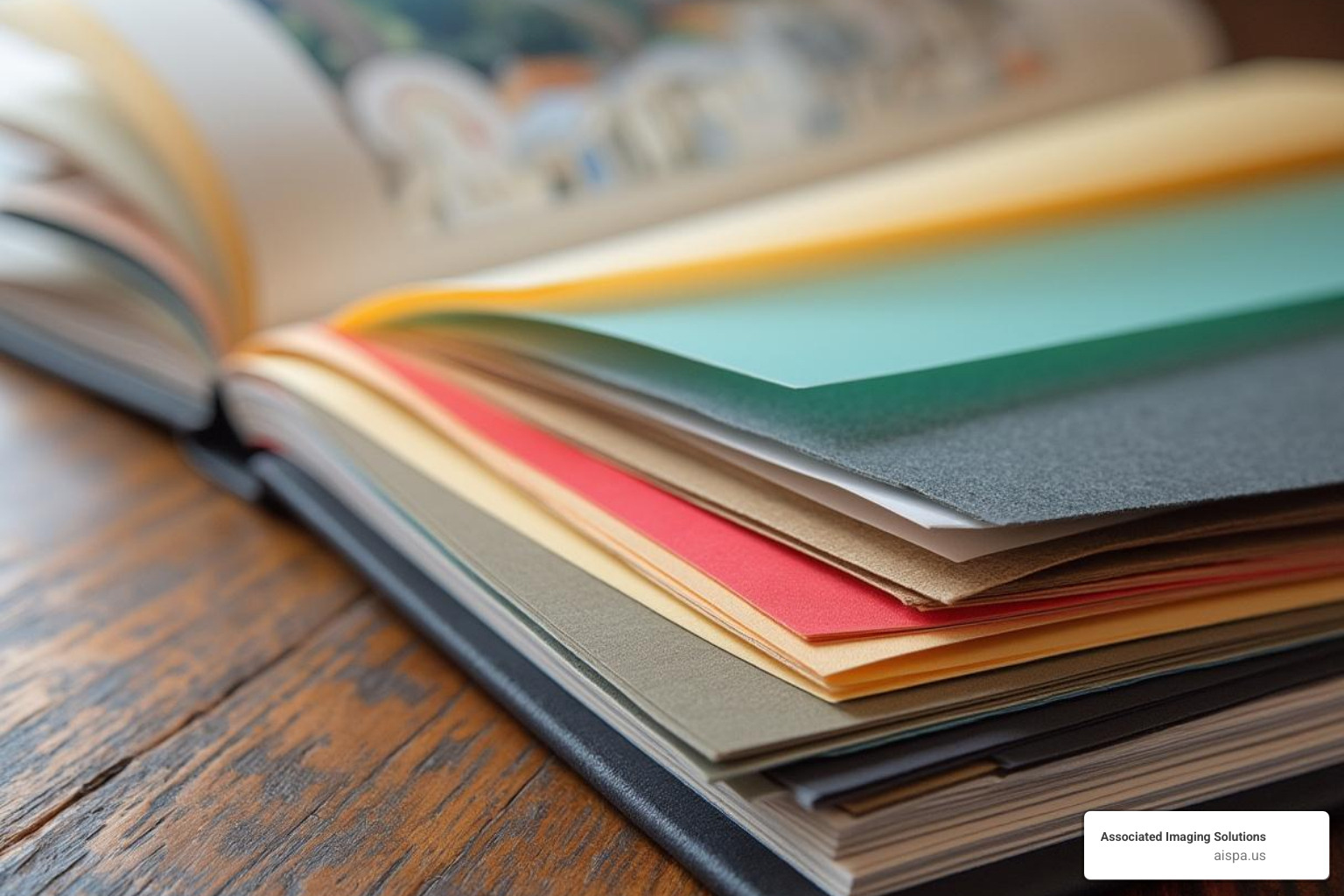
Cardstock vs. Cover Stock: What’s the Difference?
Cardstock and cover stock are often used interchangeably, but there are subtle differences. Both are thicker, sturdier papers in the hard paper for printer family.
Cardstock is a general term for paper thicker than standard copy paper. It’s used for greeting cards, invitations, and craft projects. It typically weighs 65 lb to 110 lb (176-298 GSM) and feels sturdy, adding substance to printed items.
Cover stock is more specific, originally designed for book covers. It’s generally denser and more rigid than cardstock, with weights from 60 lb to 130 lb (163-350 GSM). Its premium feel and durability make it ideal for business cards, brochures, and menus. For example, Sylvamo offers “The Heavyweights” collection with cover stocks from 100 lb to 130 lb.
Here’s a quick table to help you spot the differences:
| Characteristic | Cardstock | Cover Stock |
|---|---|---|
| Weight | Generally 65 lb – 110 lb (176-298 GSM) | Generally 60 lb – 130 lb (163-350 GSM) |
| Common Uses | Invitations, postcards, crafts, flyers | Business cards, book covers, brochures, menus |
| Typical Finish | Matte, some coated | Wide variety (matte, gloss, satin, textured) |
| Stiffness | Sturdy, holds shape | Very sturdy, rigid, premium feel |
Other options include Index Paper, a stiff, budget-friendly choice for index cards, and Bristol Paper, a thick, strong multi-ply paper for art projects or displays. The best choice depends on your project. For more details, refer to our Hard Paper for Printing Cards: Top 5 Types Guide.
Specialty Hard Paper for Printer Projects
Specialty hard paper for printer projects can lift your prints with unique qualities for amazing results.
Photo paper is crafted for detailed, vibrant images. Its special coating prevents ink bleed for sharp photos. It comes in glossy, semi-gloss, or matte finishes. Learn more in our Photo Paper Types and Sizes guide.
Presentation paper is typically a heavy matte paper designed for crisp text and rich graphics. It’s ideal for reports, presentations, or signage. Brands like Epson offer excellent options.
Textured paper adds a unique, tactile dimension. Options like linen finish (mimics fabric) or felt finish (soft and fibrous) create a luxurious feel for invitations or fine art prints.
Other specific types include sublimation paper, used to transfer images onto materials like fabric or ceramics, and transparency film, a clear medium for overhead projectors or overlays.
Eco-Friendly and Recycled Options
The paper industry offers many environmentally friendly options, so you don’t have to compromise on quality when choosing sustainable hard paper for printer solutions.
Many hard papers are made with recycled content, including post-consumer waste (PCW). Hammermill Great White 30% Recycled Printer Paper is a great example.
Look for FSC Certification (Forest Stewardship Council), which ensures the paper comes from responsibly managed forests. Many reputable brands, like HP Business Papers and Clairefontaine DCP paper, carry this certification.
Another mark to look for is the European Eco-label, which indicates high environmental standards throughout a product’s lifecycle, as seen on Clairefontaine DCP paper.
Choosing eco-friendly papers is good for the environment and shows your business values responsible practices. For more insights, explore our guide on Recycled Paper for Printing.
Matching Hard Paper with Your Printer and Project
Now that you understand the characteristics of hard paper for printer projects, it’s time to match the paper to your printer. This crucial step prevents paper jams, poor print quality, and wear on your machine.
How Paper Choice Affects Printer Compatibility
Inkjet and laser printers have specific requirements for paper types and weights. Ignoring them can cause several issues:
- Paper Jams: This is the most common issue. If paper is too thick or stiff to bend around the printer’s rollers, it will get stuck and cause a jam.
- Ink Smudging (for Inkjet Printers): With inkjet printers, if the hard paper for printer is too absorbent, ink can bleed and cause blurriness. If it’s not absorbent enough, ink may sit on the surface, dry slowly, and smudge.
- Toner Adhesion (for Laser Printers): Laser printers use heat to fuse toner to paper. If the paper can’t handle the heat or its surface is unsuitable, you may get flaky or smudged prints. Laser-specific papers like Clairefontaine DCP are treated to ensure crisp results.
- Heat Resistance: This is crucial for laser printers. Thicker papers retain more heat, which can damage internal components not designed for heavy stock.
The golden rule is to always check your printer’s manual for the maximum supported paper weight and thickness. Most home printers handle up to 80-100 lb cover stock, but office machines are often more robust. For specific recommendations, see our Best Hard Paper Printer for Cardstock Printing Guide.
Best Uses for Different Types of Hard Paper
The versatility of hard paper for printer projects can transform a simple printout into a professional piece or a cherished keepsake. Here are popular uses and recommended paper types:
- Invitations: For a luxurious feel, use a sturdy 100-120 lb Cover Stock (270-325 GSM) with a matte, linen, or felt finish. The substantial weight signals importance.
- Business Cards: Durability is key. Use a robust 110-130 lb Cover Stock (298-350 GSM) with a smooth matte or coated finish for a professional, lasting impression.
- Brochures and Flyers: To make colors pop, use an 80-100 lb Text (120-148 GSM) or 60-80 lb Cover (163-216 GSM) with a glossy or satin finish. For more tips, see our Best Paper for Booklets Guide.
- Reports and Presentations: For a sharp, protective cover, use a 65-80 lb Cover Stock (176-216 GSM) with a smooth matte or uncoated finish.
- Certificates and Awards: To convey significance and durability, use a 65-100 lb Cover Stock (176-270 GSM) with a vellum, linen, or smooth finish. Learn more in our Best Paper for Certificates: Top 4 Types guide.
- Restaurant Menus: For durability against spills and frequent handling, use an 80-100 lb Cover Stock (216-270 GSM) with a durable, coated finish.
- Greeting Cards: Use an 80-110 lb Cover Stock (216-298 GSM) for the necessary stiffness and a pleasant feel.
- Art Prints and Photography: Use specialized photo paper or heavy matte presentation paper. These are optimized for accurate color, sharp detail, and longevity.
Choosing the right hard paper for printer projects can truly make all the difference, helping your message land with impact and achieving the professional results you’re aiming for.
Frequently Asked Questions about Hard Paper for Printers
You may still have questions about hard paper for printer use. Here are answers to some common inquiries to help you print with confidence.
What is the thickest paper a standard home printer can handle?
This depends on your printer model. Most home inkjet printers can handle up to 80 lb (approx. 216 GSM) cover stock, suitable for invitations or reports. Laser printers may have different limits. Always consult your printer's manual for the maximum supported paper weight and thickness to avoid jams or damage to the printer's feeding mechanism.
Can I use cardstock in a laser printer?
Yes, many laser printers are compatible with cardstock. However, it's crucial to use cardstock specifically designed for laser printing. Laser printers use high heat to fuse toner, and laser-compatible paper is treated to withstand it. This ensures proper toner adhesion without smudging or warping. When shopping for hard paper for printer projects, look for "laser compatible" on the packaging.
What's the difference between paper weight and brightness?
These are two different but important paper characteristics. Paper weight (in lb or GSM) indicates the paper's thickness and sturdiness. A higher weight means a more substantial sheet. Paper brightness (on a 1-100 scale) refers to how white the paper is. Higher brightness (e.g., 96-98) creates better contrast, making text sharper and colors more vibrant. For example, the high whiteness of Clairefontaine DCP paper (170 CIE) makes colors pop. In short, weight is about feel and durability, while brightness is about visual impact.
Conclusion
Choosing the right hard paper for printer use is a game-changer for your printed materials. Understanding paper weight, thickness, and finish empowers you to create professional, durable, and impactful results. Matching the paper to your printer and project ensures superior print quality and longevity. Whether it’s an invitation, business report, or photo, the right paper lifts your output from ordinary to extraordinary.
For businesses, achieving perfect prints can be challenging. A trusted partner like Associated Imaging Solutions can help. We combine local expertise with global standards to handle all your printing needs with precision, including projects requiring specific hard paper for printer types.
Ready to lift your document management? Explore our high-quality printers and copiers, built to handle a wide range of paper types. Let us help you achieve flawless prints every time.
Related Posts
— Copier Leasing in Bucks County, PA
— Step-by-Step Guide: How to Lease a Copier